


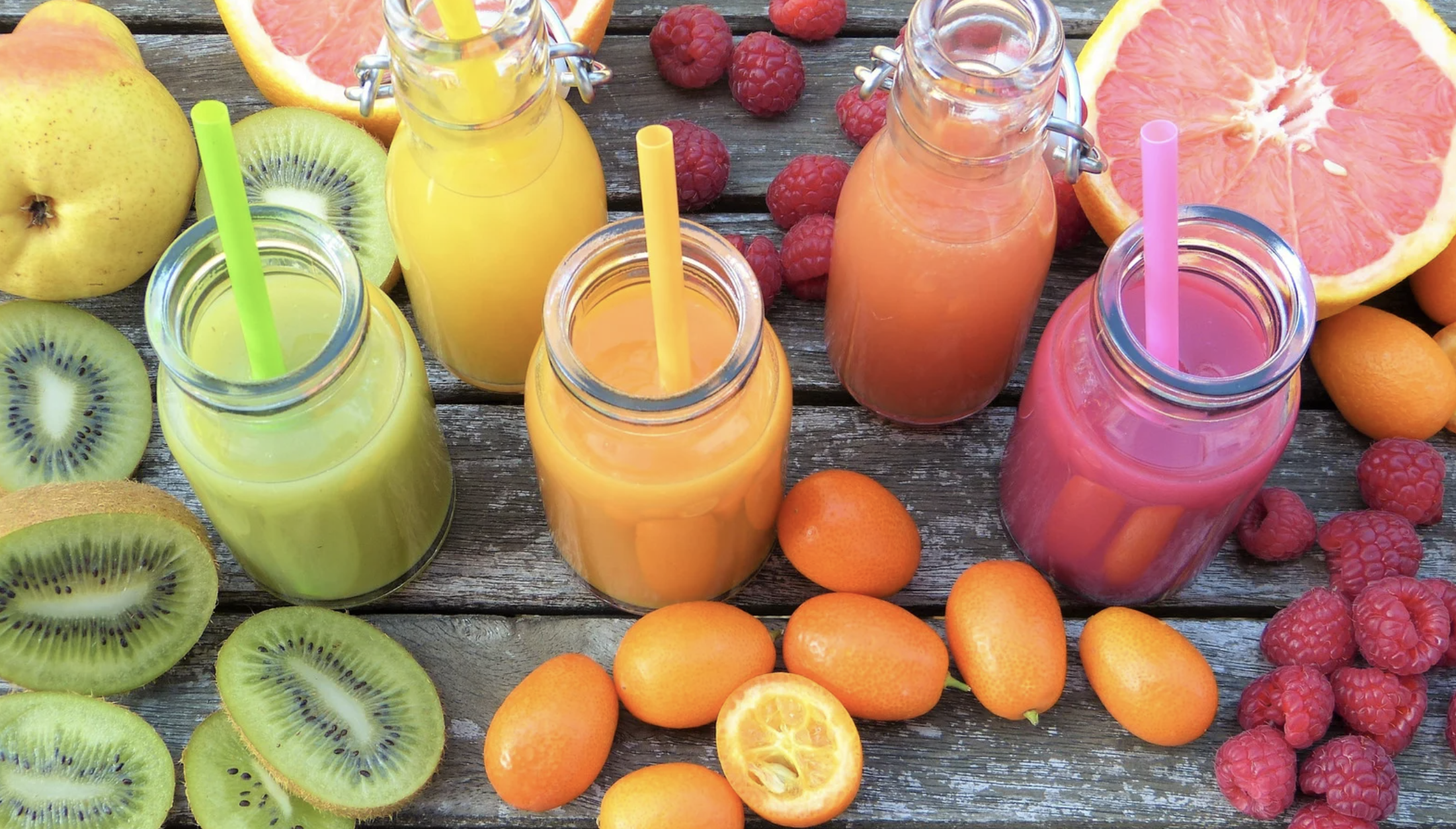
Numerous widely consumed drinks promoted for their wellness properties can actually elevate your blood glucose levels and increase your type 2 diabetes risk. The key is enjoying them sparingly as part of a balanced, nutritious eating plan.
1. Energy Beverages and Concentrated Shots
Energy beverages often contain substantial amounts of added sweeteners—including sucrose, dextrose, or high-fructose corn syrup—or synthetic sugar substitutes (like sucralose or aspartame), alongside significant caffeine content.
A typical 12-ounce energy drink delivers approximately 38 grams (g) of added sugar.
These beverages elevate blood glucose levels and diminish the effectiveness of insulin, the hormone responsible for blood sugar regulation. They also interfere with your body’s ability to process glucose efficiently.
Animal research demonstrates that consistent consumption of either standard or sugar-free energy drinks raises the likelihood of developing metabolic syndrome and type 2 diabetes.
You can anticipate comparable blood sugar impacts whether you consume a full energy drink or a more potent energy “shot.” The pairing of caffeine with sugar triggers increased insulin resistance in your body.
2. Sports Hydration Beverages
Hydration products like Gatorade and Powerade typically contain 6% sugar combined with water and electrolytes that your body loses through perspiration (including potassium, magnesium, sodium, and chloride).
A 12-ounce sports beverage delivers roughly 20 g of sugar.
Keep in mind that this sugar content will temporarily elevate your blood glucose levels following consumption.
Sugar-free hydration drinks aren’t known to trigger blood sugar spikes, although the synthetic sweeteners in these products may carry other potential health concerns.
3. Fruit-Based Juices
Drinking fruit juice raises blood glucose and could elevate your type 2 diabetes risk when consumed regularly in significant quantities.
An 8-ounce portion of apple juice provides 28 g of sugar; orange juice delivers 26 g of sugar.
Pure fruit juice (100%) is typically viewed as a healthier option compared to juice with added sweeteners. That said, research hasn’t definitively determined whether it contributes to diabetes risk.
When tracking your blood sugar, consume 100% juice sparingly and steer clear of fruit juices with supplemental sugars.
An even better choice: opt for whole fruits rather than juice for maximum health benefits.
4. Sugar-Sweetened Iced Teas and Lemonades
Sweetened tea and lemonade products include added sugars that trigger blood glucose spikes. These drinks also contribute to increased obesity risk, inflammatory responses, and type 2 diabetes.
A 12-ounce serving of sweetened iced tea provides approximately 30 grams of added sugar; an equivalent amount of sweetened lemonade delivers about 40 grams.
For stable blood sugar levels, replace these sweetened options with their unsweetened versions.
5. Sweetened Non-Dairy Milk Products
Different plant-based milk options contain varying sugar levels. As an example, 8 ounces (one cup) of soy milk contains 9 grams of sugar, almond milk has 3 grams, coconut milk provides 8 grams, and oat milk delivers 16 grams.
Non-dairy milk products may contain added sweeteners rather than lactose, the sugar naturally found in cow’s milk.
Sweetened plant-based milk alternatives generally have a higher glycemic index compared to cow’s milk. This indicates that your body digests these plant-derived options more rapidly than cow’s milk, making blood sugar spikes more likely.
6. Specialty Coffee and Tea Beverages
Sweetened coffee and tea creations containing sugar, flavored syrups, or honey are recognized for exacerbating blood sugar spikes.
When you consume caffeine and sugar simultaneously, your body struggles to regulate blood glucose effectively.
Beverages like frappes, lattes, milk-based drinks, or boba teas can all undermine your blood sugar management. For instance, a 9-ounce pre-made mocha frappuccino contains approximately 30 g of added sugars.
Better options include plain black coffee and green tea.
Leave a Reply